
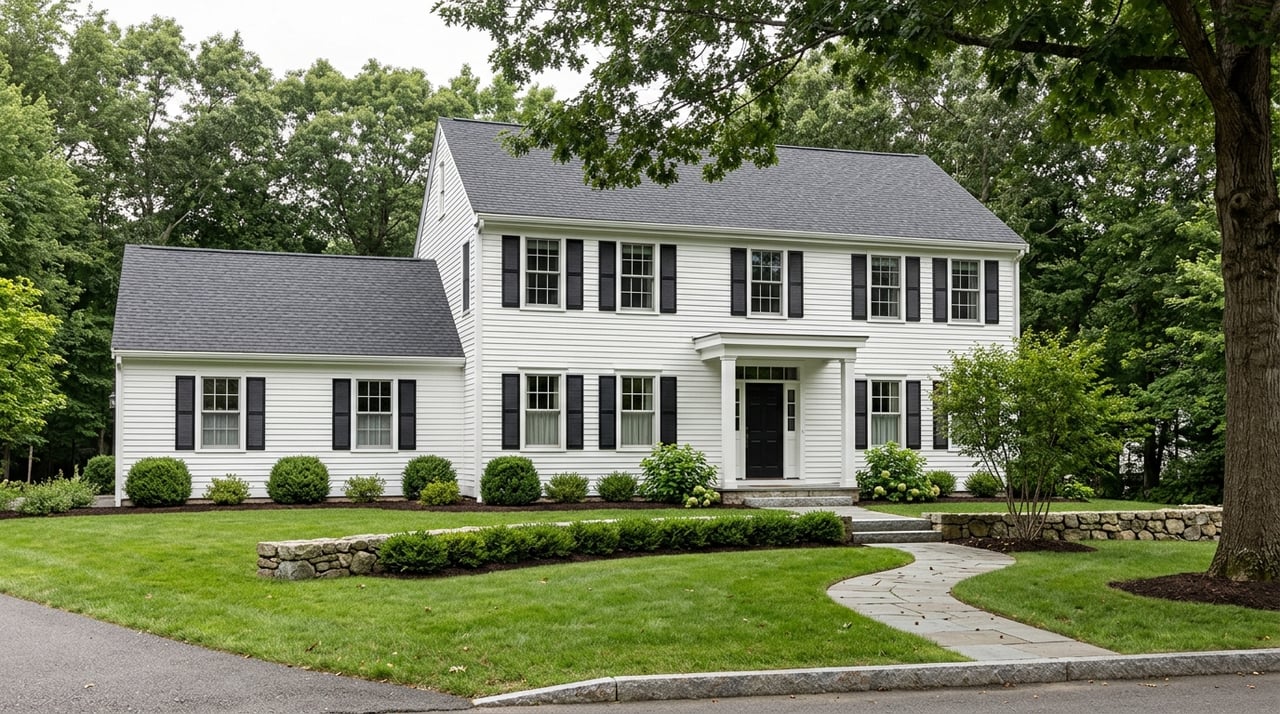
If you are deciding between Concord and a nearby town, you are probably not just choosing a house. You are choosing a daily rhythm, a commute pattern, and the kind of setting you want around you. The good news is that several towns in this part of Middlesex County offer strong options, and the right fit often becomes clearer when you compare a few practical factors side by side. Let’s dive in.
Start With Concord as Your Baseline
Concord is a useful starting point because it brings together several features that many buyers want in one place. Town materials describe a community with significant historic and older housing, formal preservation oversight in six historic districts, commuter rail access, and major open-space destinations.
You can think of Concord as a blend of historic character, everyday convenience, and outdoor access. Concord Center functions as a historic business village, while West Concord has a more rail-and-trail-oriented feel with access to commuter rail and the Bruce Freeman Rail Trail. For many buyers, that mix is what makes Concord the reference point.
Compare Four Key Decision Factors
When you are trying to choose between Concord and a neighboring town, it helps to focus on four things:
- Housing fabric
- Commute model
- Village-center pattern
- Nature access
This approach keeps the conversation grounded in fit rather than rankings. A town does not need to be “better” than Concord to be right for you. It simply needs to match how you want to live.
Housing Fabric: Historic Homes or Broader Variety
Concord stands out for its preservation-heavy housing fabric. Town information notes that much of the housing stock is historic or older, and many homes may be subject to demolition review. If you are drawn to older homes, architectural character, and a strong sense of continuity, Concord may feel very appealing.
That same feature can also shape your decision in practical ways. If you prefer a setting where preservation considerations are a visible part of the town landscape, Concord offers that. If you want a different balance, nearby towns present a range of alternatives.
Historic-Center Towns
Lexington, Weston, and Sudbury are useful comparisons if you like towns with established historic cores. Lexington describes its center as a well-maintained area with retail, professional offices, banks, and restaurants, and town history materials note a large body of late-19th- and early-20th-century housing that still shapes the town.
Weston offers a different version of historic-center living. Its Town Green District is described as the religious and governmental heart of the town, which gives Weston a civic and traditional center of gravity, even though it is less center-commercial than some other towns.
Sudbury also has a strong historic identity. The town notes the Sudbury Centre Historic District around the Common and identifies four historic districts in total, which gives buyers a sense of a visible historic framework within a broader town landscape.
Landscape-First Towns
If you want your home search to revolve more around land, trails, and a rural feel, Lincoln and Carlisle deserve a close look. Lincoln’s planning and open-space materials emphasize conservation land, working farms and forests, and more than 80 miles of trails.
Carlisle leans even more strongly toward rural character. Town trail materials say the network is part of Carlisle’s identity and includes more than fifty miles of trails, making it a natural fit if open land is not just a bonus for you, but a priority.
Mixed-Use and Village-Network Options
Acton, Bedford, and Wayland fit buyers who want a different balance between town center, transportation access, and neighborhood pattern. Acton is especially notable for its five village centers, with Acton Center serving as the civic center and South Acton and West Acton reflecting stronger commercial and rail influence.
Bedford offers a pattern shaped by road access and nearby rail options. Town materials place Bedford near major route connections and note nearby commuter rail in Concord Center and West Concord, while also emphasizing open space, walking trails, bikeways, and passive recreation.
Wayland is another interesting option if you are thinking about village form. Town planning materials describe Wayland Center as being envisioned as a pedestrian-friendly economic hub and New England village center, with stronger connections to the Mass Central Rail Trail.
Commute Model: Rail, Bus, Road, or Nearby Access
One of the clearest ways to compare Concord and neighboring towns is by commute model. This is often the factor that affects your quality of life most once the move is complete.
Concord has two commuter rail stations and practical road access via Route 2, plus connections to 128/95 and 495. If you want in-town rail access along with a recognizable center and outdoor destinations, Concord checks several boxes at once.
Towns With In-Town Rail Access
Lincoln is one of the clearest alternatives if commuter rail matters to you. Lincoln Station is an MBTA Fitchburg Line stop, and town planning efforts focus on a compact, walkable village center around the station area with more housing choices near transit.
Weston also offers in-town rail service from Hastings and Kendal Green. That can appeal if you want a town that feels strongly tied to landscape and conservation while still offering rail access from within the community.
Acton belongs in this group too, especially if you like having multiple nodes instead of one dominant downtown. Town materials identify South Acton as a commuter-rail anchor, and the local Cross-Acton Transit network adds another layer of mobility.
Towns With Bus or Nearby-Rail Patterns
Lexington is a good fit if you are comfortable with a bus-based model rather than commuter rail in town. Lexington runs its own Lexpress system and has MBTA bus service, including connections to Alewife.
Bedford also follows a nearby-rail and road-access pattern. Rather than having its own in-town commuter rail stop, it points residents toward nearby stations in Concord while offering strong route access.
Carlisle is the clearest example of a town where rail is accessed through neighboring communities. That can work well if your daily priorities lean more toward rural character and trail access than station convenience.
Village Pattern: One Center or Several
Not every buyer wants the same kind of town layout. Some people want a strong central village where errands, coffee, and local activity gather in one recognizable place. Others prefer several smaller nodes or a more spread-out pattern.
Concord offers two notable focal points in Concord Center and West Concord. That gives you a choice between a historic business village feel and a district that is especially tied to rail and trail access.
If You Prefer a Strong Town Center
Lexington is a natural comparison. Town materials describe Lexington Center as a compact area with retail, offices, banks, and restaurants, which can feel appealing if you want a defined center as part of your weekly routine.
Wayland is also worth considering if center redevelopment interests you. The town’s vision for Wayland Center emphasizes a pedestrian-friendly hub and stronger internal connections, which may appeal if you want a town thinking actively about how its center works.
If You Prefer Multiple Village Nodes
Acton stands out here. Its five village centers create a more distributed pattern, which can feel practical if you like having several local nodes rather than one dominant downtown.
That setup can be especially helpful if your lifestyle is already spread across work, recreation, and family schedules. Instead of orienting everything around one central area, Acton offers several places with distinct functions.
Nature Access: Amenity or Daily Lifestyle
Most buyers say they want access to open space. The more useful question is how often you expect to use it and what kind of outdoor setting feels right to you.
Concord combines protected land with historic landscapes and destination sites such as Walden Pond, Great Meadows, and Battle Road and Old North Bridge. If you want outdoor access paired with places that carry both scenic and historical significance, Concord is a strong fit.
Trail-Centered Alternatives
Lincoln and Carlisle are especially strong if trail access is central to your lifestyle. Lincoln highlights more than 80 miles of trails along with working farms and forests, while Carlisle points to more than fifty miles of trails as part of its rural identity.
These towns may feel especially attractive if you want open space woven into your week rather than saved for occasional weekends. For some buyers, that is the deciding factor.
Center-Oriented Towns With Strong Outdoor Access
Lexington offers an unusually dense trail system for a center-oriented town, with 26 conservation areas and more than 50 miles of trails. That creates a compelling mix if you want both a defined center and regular outdoor access.
Sudbury, Bedford, and Wayland also place clear emphasis on conservation land and trail systems. Sudbury notes that most large conservation parcels are open to the public, Bedford emphasizes trails and passive recreation, and Wayland connects its planning vision to trail access.
A Simple Way to Narrow Your Choice
If the options are starting to blur together, try asking yourself four direct questions:
- Do you want a home setting shaped strongly by historic housing and preservation?
- Do you want rail access in town, bus access, or are you comfortable driving to nearby stations?
- Do you prefer one recognizable center, two strong districts, or several village nodes?
- Do you want open space nearby, or do you want it integrated into your everyday life?
Your answers will usually point you toward a short list very quickly. Concord often works best for buyers who want a rare combination of preservation, commuter rail, and major open-space destinations in one town.
Other nearby towns become strong alternatives when you want one of those elements to take the lead. Lexington can suit buyers who want a strong center with bus connections and extensive trails. Lincoln and Carlisle can make sense if landscape and trails come first. Acton may fit if multiple village centers and transit variety matter more.
Why Fit Matters More Than Rankings
The best move is not about choosing the “top” town on a list. It is about finding the place that fits your schedule, preferences, and long-term plans.
That is especially true in the Concord area, where neighboring towns often share broad appeal but differ meaningfully in how daily life feels. A thoughtful comparison can help you avoid focusing too much on one feature while overlooking the rhythm of the town as a whole.
If you are weighing Concord against nearby towns, a local comparison grounded in your priorities can save time and lead to a better outcome. The right guidance can also help you compare not just towns, but specific neighborhoods, housing styles, and on-market or discreet opportunities that align with your goals.
If you are planning your next move in Concord or a neighboring town, Nancy Cole can help you compare the options with clear local insight and a tailored strategy.
FAQs
How does Concord compare with Lexington for daily living?
- Concord offers commuter rail, a preservation-heavy housing fabric, and major open-space destinations, while Lexington is more bus-based and has a compact center with extensive trails.
Which towns near Concord have commuter rail access in town?
- Based on town materials in the research, Concord, Lincoln, Weston, and Acton are key examples of nearby towns with in-town commuter rail access or rail-anchored areas.
What makes Carlisle different from Concord for homebuyers?
- Carlisle leans more strongly toward rural character and trail-based living, and its nearest commuter rail stations are in neighboring towns rather than in Carlisle itself.
Is Acton a good alternative to Concord if you want more than one center?
- Yes. Acton is described as having five village centers, which can appeal if you prefer several local nodes instead of one primary downtown area.
How should you choose between Concord and neighboring towns in Middlesex County?
- Focus on four practical factors: housing fabric, commute model, village-center pattern, and how central nature access is to your daily life.