
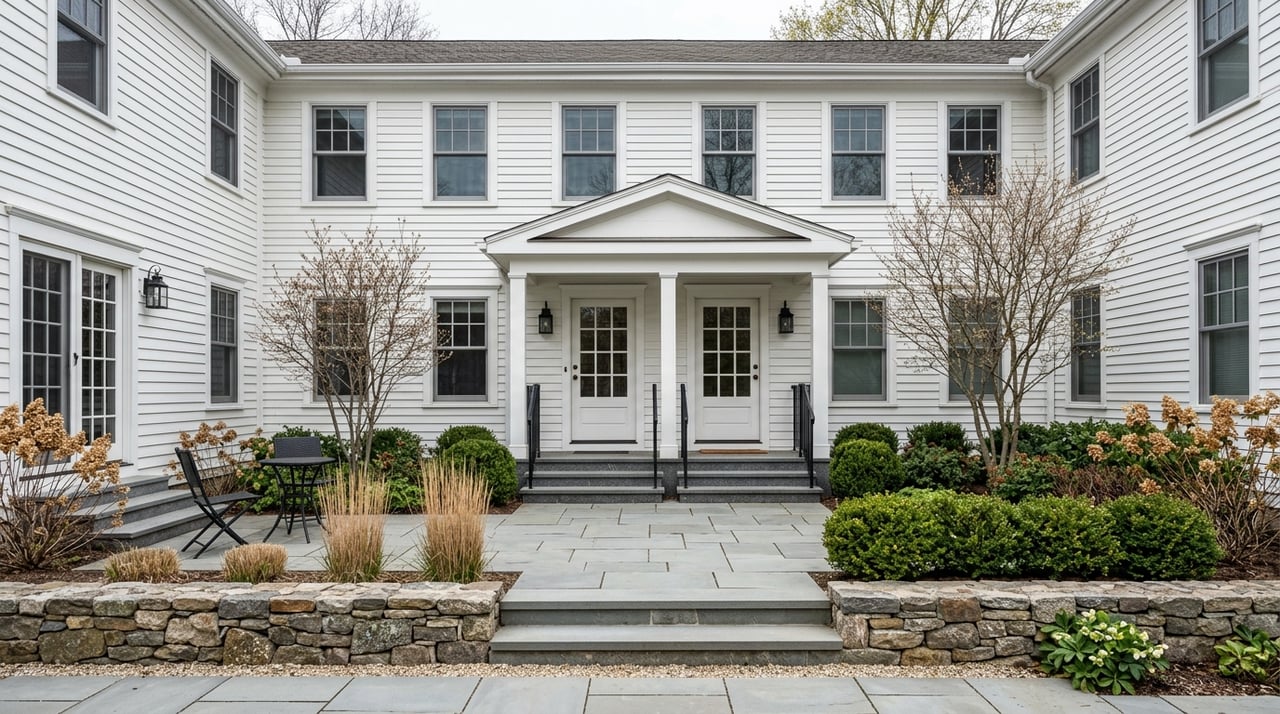
If you are deciding between a condo and a single-family home in Concord, you are really choosing between two different ways of living. One offers more privacy, outdoor space, and control, while the other can offer a lower entry price and less exterior upkeep. In a town where housing is limited in both categories, that choice deserves a clear, local lens. Let’s dive in.
Concord Housing Starts With Context
Concord’s housing market still leans heavily toward detached homes. According to U.S. Census QuickFacts for Concord, the town has a 75.7% owner-occupied housing unit rate, and the median value of owner-occupied homes is $1.21 million.
Town planning documents also make clear that Concord remains dominated by detached single-family homes on individual lots, even as the town continues to need smaller homes, condos, and apartments for older residents, empty nesters, and households in changed circumstances. The same Concord planning materials note that households age 55 and older made up 61% of households in 2020.
That matters because condos in Concord are not the default option. They are a smaller slice of the market, and that makes the decision less about what is common and more about what best fits your budget, lifestyle, and plans.
Concord Prices Look Very Different
The latest Massachusetts Association of Realtors Concord market report shows a wide price gap between the two property types. In February 2026, single-family homes had a median sale price of $2,268,000, while condominiums had a median sale price of $818,500.
That is a difference of about $1.45 million. Put simply, condos can offer a far lower purchase price in Concord, even though the condo sample was small and based on only four closings that month.
The condo number is best viewed as a snapshot, not a rule. Still, the broader takeaway is clear: if you want to own in Concord and are focused on a lower entry point, a condo may open doors that a single-family home does not.
Inventory Is Tight in Both Categories
Price is only part of the picture. Selection also matters, and Concord is constrained on both sides.
In that same MAR report, single-family homes showed 35 listings and 2.3 months of supply. Condos showed just 9 listings and 2.1 months of supply.
So while condos may look more attainable on price, they also come with a much thinner pool of options. If you are shopping for a condo in Concord, the right building, layout, and rules may take time to find simply because there are fewer listings available.
Single-Family Homes Offer More Control
For many buyers, the biggest appeal of a single-family home is control over how you live. Because Concord’s housing stock is still largely made up of detached homes on individual lots, buying single-family often means more privacy, more direct use of outdoor space, and more freedom to make changes over time.
That can matter if you want a yard, space for hobbies, guest rooms, or long-term flexibility. It can also matter if you simply prefer not to share walls or live under association rules.
Massachusetts has also expanded flexibility for detached homes through accessory dwelling unit rules. ADUs under 900 square feet are now allowed by right in single-family zoning districts, which may create future options for aging in place, multigenerational living, or caregiver space.
Condos Can Reduce Exterior Chores
If your priority is simplicity, a condo may be the better fit. In many condo communities, the organization of unit owners is responsible for common-area maintenance and repair, and Massachusetts condo law requires reserve funding as part of common expenses.
In practical terms, that often means less responsibility for exterior upkeep, shared grounds, and certain building systems. For buyers who want a more lock-and-leave lifestyle, that can be a real advantage.
But less maintenance does not mean no obligations. Condo ownership usually includes monthly fees, shared financial responsibility, and rules that affect how the property is managed.
Carrying Costs Deserve a Close Look
In Concord, carrying costs can be significant regardless of property type. The town’s FY2026 residential tax rate is $13.05 per $1,000 of assessed value.
Using the Census median owner-occupied value of $1.21 million, that works out to about $15,800 per year in property tax before exemptions and assessment differences. Based on the recent median sale prices in Concord, the gap between a typical single-family home and a typical condo could also create a meaningful difference in annual property taxes, although actual bills depend on assessment and other factors.
For condos, you also need to factor in association fees. Those fees may help cover exterior maintenance, reserve contributions, common insurance, and shared amenities or systems. The key is to weigh lower purchase price against monthly fees and the association’s financial health.
Condo Rules Matter More Than Many Buyers Expect
When you buy a condo, you are not only buying the unit. You are also buying into the structure, finances, and rules of the association.
That is why condo due diligence deserves real attention in Concord. Before you commit, it is smart to review:
- Monthly condo fees
- Reserve fund strength
- Special assessment history
- Master insurance coverage
- Pet policies
- Parking arrangements
- Rental restrictions
- Trustee or association governance documents
These points shape your day-to-day ownership experience. A well-run association can make condo living easier. A poorly run one can add cost, friction, and surprises.
Who Often Prefers Single-Family in Concord
A single-family home may fit you best if you want space that can change with your life. That could mean a private yard, room for guests, more storage, or the ability to customize the property over time.
In Concord, it is also the more traditional housing pattern. If your goal is a classic detached-home lifestyle in a town where that housing type still dominates, single-family will usually align more closely with that vision.
This path may also make sense if future flexibility is a major priority. Whether you are thinking about long-term use, renovation potential, or the possibility of adding an ADU where allowed, detached ownership often gives you more autonomy.
Who Often Prefers Condos in Concord
A condo may fit better if your top priorities are a lower purchase price and reduced exterior maintenance. In a town where detached homes command much higher prices, condos can offer a more manageable way to buy into Concord.
This is especially relevant for first-time buyers, some downsizers, and buyers who do not want the time demands of yard work and exterior upkeep. Concord’s planning documents specifically identify smaller homes, condominiums, and apartments as needed housing options for older residents and empty nesters.
Still, condo buyers need to be comfortable with trade-offs. You may gain simplicity, but you also accept shared decision-making, common expenses, and a smaller inventory of available homes.
Downsizing in Concord Is Not One-Size-Fits-All
If you are downsizing, the condo-versus-single-family decision is often more personal than financial. Some sellers want less upkeep and a home that feels easier to manage day to day. Others want to simplify without giving up a private yard, guest space, or independence.
That is one reason this decision benefits from local guidance. In Concord, where the housing stock, pricing, and inventory all create specific trade-offs, the right answer depends on how you want to live now and five or ten years from now.
The Best Choice Depends on Your Daily Life
Here is the simplest way to frame it. In Concord, a single-family home usually offers more privacy, more control, and more long-term flexibility, but at a much higher price point. A condo usually offers a lower purchase price and less exterior upkeep, but with fewer choices and more shared rules.
Neither option is automatically better. The better fit is the one that matches your finances, your comfort with maintenance, and the way you want your home to support your next chapter.
If you want help weighing the trade-offs in today’s Concord market, Nancy Cole offers thoughtful, local guidance tailored to your goals. Whether you are buying your first place in town or planning a smart downsize, a confidential market consultation can help you make the right move with clarity.
FAQs
What is the price difference between condos and single-family homes in Concord?
- In the February 2026 Concord market report, the median sale price was $2,268,000 for single-family homes and $818,500 for condos, though the condo figure came from a small sample of four closings.
Are condos easier to maintain than single-family homes in Concord?
- Condos often reduce exterior maintenance because associations typically handle common areas, grounds, and parts of the building, but you still need to budget for fees, shared expenses, and possible assessments.
Is condo inventory limited in Concord, MA?
- Yes. The latest Concord market report showed 9 condo listings compared with 35 single-family listings, so condo buyers may have fewer options to choose from.
Do single-family homes offer more flexibility in Concord?
- Yes. Detached homes usually provide more privacy, more direct control over the property, and more room for future changes, including possible ADU use where allowed under current Massachusetts rules.
What should you review before buying a condo in Concord?
- You should closely review condo fees, reserve funds, special assessment history, insurance coverage, parking, pet rules, rental restrictions, and the association’s governing documents.
Is a condo or single-family home better for downsizing in Concord?
- It depends on your goals. A condo may suit you if you want less upkeep and a lower entry price, while a single-family home may be better if you still want a yard, guest space, or more independence.