
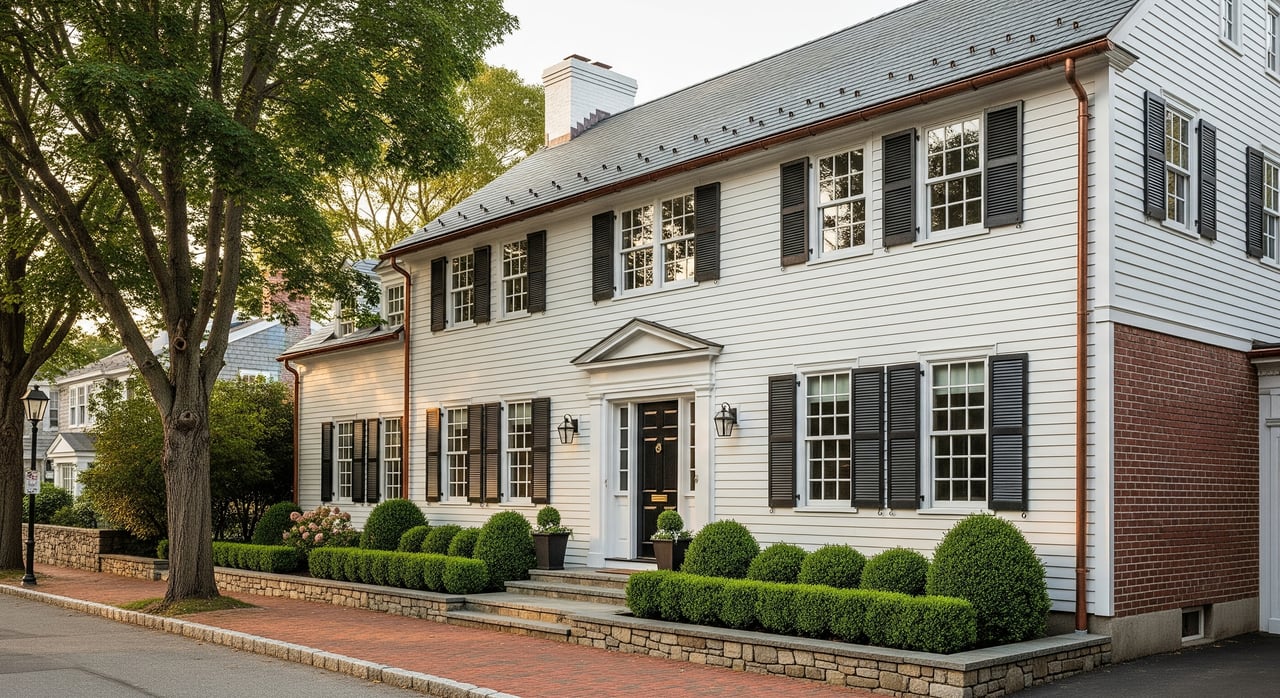
Thinking about updating a storefront, adding onto a building, or planning a mixed‑use project in West Concord? You want your investment to look right on the block and move smoothly through local approvals. The good news is that West Concord’s village character has clear, repeatable patterns you can follow to save time and avoid redesigns. In this guide, you’ll learn practical design moves, material choices, and a predictable approval path tailored to Commonwealth Avenue and Main Street. Let’s dive in.
What defines West Concord’s village character
West Concord reads as a classic New England village center. Buildings are typically 1 to 3 stories with human‑scale details. You see varied rooflines, traditional materials like clapboard and brick, divided‑light windows, and storefront rhythms that make walking feel natural.
The keys to fitting in are simple:
- Keep your building form broken into smaller parts rather than a single large mass.
- Prioritize ground‑floor transparency and clear customer entries on Commonwealth Avenue and Main Street.
- Place service, loading, and parking out of sight from the primary street.
- Choose durable, traditional materials that relate to neighboring buildings.
Storefronts that fit Main Street
Height and transparency
- Plan for a generous ground‑floor height so retail feels welcoming and flexible. Village storefronts often target about 12 to 18 feet floor‑to‑ceiling, subject to zoning and code.
- Use a strong window rhythm on the street. Larger panes with vertical proportions and divided‑light patterns help connect the interior to the sidewalk.
- Keep sills low enough to support visibility while maintaining privacy for seated areas inside.
Entrances that invite
- Provide a clearly visible, weather‑protected door. Recessed entries are common and work well at corners or mid‑block.
- On corner lots, consider an angled or chamfered entry to mark the intersection and improve sightlines.
Materials and signage
- Pair a brick or painted masonry base at street level with clapboard or fiber‑cement siding above. Wood or metal storefront framing should complement nearby façades.
- Avoid curtain‑wall systems that read too contemporary or out of scale.
- Integrate signage within a traditional sign band or the awning. Favor painted wood, metal, or hand‑applied lettering over large backlit boxes.
Awnings, canopies, and lighting
- Choose simple fabric awnings or modest canopies sized to the width of your bays. Keep projections shallow so cornices remain visible.
- Use down‑shielded, warm‑temperature exterior fixtures to reduce glare and respect upper‑floor residences.
Approval‑ready storefront package
- Prepare context photos and an annotated elevation that labels window and door sizes, sign locations, lighting, and materials.
- Bring physical or digital material and color samples to early meetings. Clear visuals shorten review cycles.
Additions and infill that respect the block
Scale and massing
- Match the height and cornice lines of adjacent buildings where possible. Break new volume into bays, gables, porches, or stepped elements rather than a single box.
- On narrow lots, align ridgelines and eave heights to maintain a continuous street wall.
Setbacks and rhythm
- Continue the existing front setback so your façade stays in line with neighbors. If the block has small front yards or porches, follow that spacing.
- On corner sites, allow a bit more articulation to address both street fronts while keeping the overall form consistent.
Roofs, windows, and details
- Pitched roofs, gables, and small dormers are common. Flat roofs can work if they read as secondary masses with a clear cornice.
- Keep vertical window proportions on primary façades. Use simpler or more contemporary openings on rear or side façades that are less visible.
Materials that blend
- Match or complement existing materials. A clapboard addition over a brick base is a reliable pairing.
- If you use modern materials, specify profiles, textures, and joints that echo traditional patterns.
Mixed‑use edges on Commonwealth Avenue
Active ground floors
- Maintain a continuous storefront line with step‑free entries. Clearly mark accessible routes and avoid level changes that block access.
- Keep window transparency high to support retail visibility and pedestrian safety.
Comfortable upper floors
- Provide well‑proportioned windows, modest balconies or Juliet balconies, and a separate residential entry so homes feel distinct from retail.
- Use a belt course, cornice, or material shift to mark the transition between commercial and residential levels.
Services, loading, and parking
- Locate loading, trash, and mechanicals at the rear or in screened side yards. Use walls, plantings, or small service alleys for visual and noise control.
- Minimize curb cuts on the primary street. Place parking behind the building or under the structure when feasible and soften lot edges with landscaping.
A practical materials and color palette
- Siding: Wood clapboard or shingles, or high‑quality fiber‑cement that matches traditional profiles.
- Bases: Brick masonry or painted masonry where there is local precedent.
- Trim: Painted wood or composite with concise, authentic profiles. Avoid oversized applied ornament.
- Roofing: Standing‑seam metal on small volumes or asphalt shingles in muted tones. Slate or terracotta where historically present.
- Windows and doors: Wood or aluminum‑clad wood are preferred on visible façades. Avoid flush vinyl on primary fronts.
- Colors: Restrained palettes of whites, grays, earth tones, and traditional accents. Reserve bright hues for small highlights, not entire façades.
Who reviews what in Concord
Every site is unique, but you should expect some combination of these review bodies. Confirm the latest process with the Town of Concord before you submit.
- Planning Department and Planning Board for site plan and development review
- Zoning Board of Appeals for variances or special permits
- Historic District Commission or Historical Commission for work in or near local historic districts or on significant properties
- Conservation Commission for wetland or riverfront impacts
- Building Department for permits, code, and accessibility compliance
- Board of Health if food service is involved
- Neighborhood or village advisory groups, if active
Steps that shorten approvals
Coordinate early
- Schedule pre‑application meetings with Planning and, if relevant, Conservation and Building staff to identify permit triggers early.
- If your property is historic or in a local district, meet with Historical Commission staff and bring visuals and material samples.
- Share your concept with nearby owners and tenants. Early buy‑in reduces late objections.
Bring a clear, complete packet
- Site plan with property lines, setbacks, curb cuts, trees, and right‑of‑way.
- Elevations for all street‑facing façades with dimensions and material callouts.
- Floor plans showing uses, entries, and accessible routes.
- Landscape plan, lighting and photometrics if required, and a plan for trash and service areas.
- A stormwater statement if you increase impermeable area.
Understand timing
- Concept design and pre‑application: typically 4 to 8 weeks to assemble materials.
- Formal application and hearings: monthly cycles vary by board.
- Conditional approvals and building permit review: plan on 6 to 12 or more weeks depending on complexity.
Site and technical choices that matter
Accessibility and circulation
- Provide step‑free access to public entries and ensure a continuous accessible route into ground‑floor businesses.
- Match sidewalk widths and curb ramps to ADA and town standards. Keep the pedestrian path clear.
Stormwater and trees
- Protect existing street trees and prepare a replanting plan if removal is unavoidable.
- Use low‑impact stormwater strategies such as permeable pavers, bioretention, or green roofs where appropriate.
Utilities and mechanicals
- Keep rooftop and ground equipment away from primary façades. Screen them and plan for noise and odor mitigation, especially for food uses.
Energy and lighting
- Pair interior insulation and high‑performance storm windows with exterior proportions that match the district.
- Use warm, downward‑shielded fixtures to light sidewalks without spilling into upper residences.
A simple owner checklist near Commonwealth Ave / Main Street
Pre‑design
- Confirm your property’s zoning district, height and setback basics, and any historic designation or preservation easement.
- Photograph the block. Note heights, cornice lines, window rhythms, and materials used by neighbors.
Design development
- Start with a massing diagram that proves your rooflines, eaves, and setbacks fit the street.
- Choose a primary material palette: siding, base, trim, and storefront frame.
- Draft elevations that show window proportions, entrance treatment, and sign zones.
Pre‑application and approvals
- Meet with Planning staff and, if relevant, the Historical Commission. Bring scaled elevations and material samples.
- Prepare a concise submission set: site plan, floor plans, elevations, lighting, landscape, and materials board.
- If the building is historic, consider engaging a preservation‑savvy architect.
Construction and closeout
- Protect sidewalks, tree roots, and adjacent façades.
- Maintain safe, signed pedestrian detours during work.
Where your real estate strategy meets design
Design decisions in West Concord are not only about approvals. They influence tenant demand, rent levels, resale value, and time on market. Clear storefronts, right‑sized massing, and durable materials are easier to lease and sell because they feel native to the village.
If you are planning a sale or considering a value‑add acquisition, the right scope can make a measurable difference. You can pair a streamlined design approach with smart preparation and targeted marketing to reach the right buyers or tenants at the right time.
How the Nancy Cole Team can help
You deserve a partner who understands both West Concord’s design expectations and the market impact of each choice. As a boutique, Compass‑affiliated team, we help you:
- Evaluate the upside of storefront, addition, or mixed‑use improvements before you commit.
- Prioritize preparation that boosts presentation and value, with oversight of staging and renovations through our trusted trades network.
- Position and market properties with data‑driven pricing and discreet options such as Coming Soon or Private Exclusives when appropriate.
- Advise investors on value‑add plays, timing, and buyer profiles in Concord and nearby towns.
Ready to talk through your property and timeline? Reach out to the Nancy Cole Team to request a confidential market consultation.
FAQs
What is the typical building height in West Concord’s village center?
- Most village buildings range from 1 to 3 stories. Match adjacent cornice lines and keep massing human‑scaled.
How much ground‑floor glass should a Main Street storefront have?
- Aim for generous transparency with large, vertically proportioned windows and divided‑light patterns that connect the interior to the sidewalk.
Which Concord boards are most likely to review my project?
- Expect involvement from Planning, Zoning Board of Appeals as needed, the Historical or Historic District Commission if applicable, Conservation for resource areas, and the Building Department.
How can I reduce permitting time for a small façade change?
- Hold a pre‑application meeting with Planning staff, bring annotated elevations and material samples, and align your design with existing rooflines, setbacks, and materials.
What materials read as compatible with West Concord’s character?
- Wood or fiber‑cement clapboard, brick or painted masonry bases, wood or aluminum‑clad windows, painted trim with authentic profiles, and restrained, traditional color palettes.