
Thinking about when to make a move in Concord? Timing can shape how many buyers see your home, how long it sits, and the final price you achieve. Concord’s market follows a clear seasonal rhythm tied to weather, school schedules, and buyer psychology. In this guide, you’ll learn how seasonality typically affects prices, inventory, and days on market in town, plus practical strategies to help you choose the right window and prepare with confidence. Let’s dive in.
Why seasonality is strong in Concord
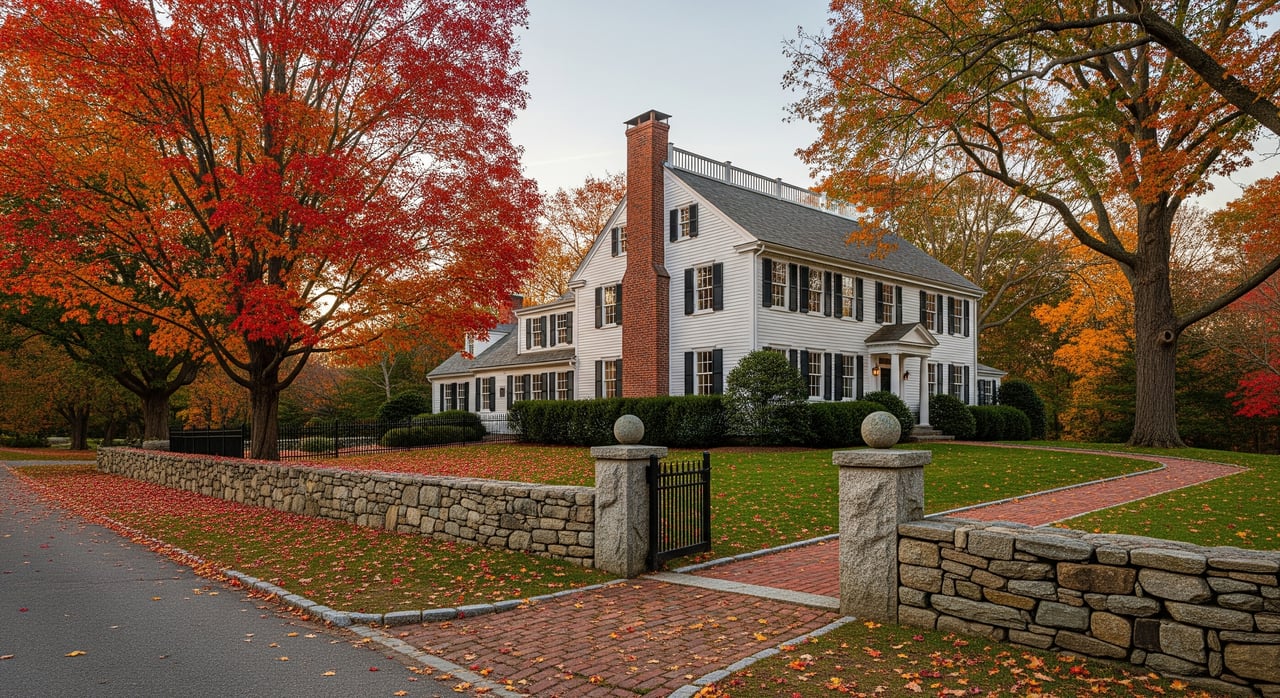
Concord is a classic New England market where weather and daylight matter. Snow, cold, and limited daylight reduce open-house traffic and curb appeal in winter. As spring arrives, yards and landscaping shine, and buyer traffic rises, helping listings feel more compelling.
The school-year calendar also plays a role. Many family buyers try to close in summer so a move aligns with the new school year. That preference pulls more listings and showings into late winter through early summer.
Relocation and fiscal cycles often cluster moves between June and August, creating predictable demand peaks. At the same time, market psychology reinforces spring as the “right time” to buy and sell, amplifying the seasonal wave each year.
Finally, broader mortgage-rate shifts can amplify or soften seasonal effects. Rates and one-off events can skew a single year’s trend, which is why looking at 3–5 years of local data helps you see true patterns rather than noise.
What the numbers tend to show
Inventory and new listings
New listings and active inventory typically rise from late winter, peak in spring and early summer, dip in late summer and fall, and reach their lows in late fall and winter. For sellers, this means more buyer traffic and visibility in spring. For buyers, you’ll see more choice, but competition is usually stronger.
Days on market (DOM)
DOM tends to be shortest in spring and early summer, then lengthens in fall and winter. If you list in late fall or winter, expect a longer timeline. Counter that by sharpening your pricing, staging, and marketing plan.
Sale price and sale-to-list ratio
Median sale prices and sale-to-list ratios often peak in late spring and early summer. The size of the effect varies. In smaller markets like Concord, monthly medians can bounce around, especially at the neighborhood level. It is best to review several years of town and county data to understand the typical lift.
Showing activity and open houses
Showing requests and open-house attendance generally rise in spring and summer and ease in winter. In peak months, faster response times and broader showing windows can help attract multiple offers. In winter, expect fewer showings per week and lean more on strong online presentation and targeted outreach.
Time to close and contingencies
During peak months, the heavier volume can stretch timelines for inspectors, appraisers, and lenders. Off-season deals may move more smoothly, but winter weather and holiday schedules can still affect availability. Plan buffers where possible.
Concord-specific factors to keep in mind
Housing stock and buyer profile
Concord’s market skews toward single-family homes with higher-than-average values. Many buyers prioritize neighborhood character and the local school calendar, which reinforces a strong spring and early-summer season.
Limited new supply
Zoning and limited lot availability constrain new construction. When demand jumps in spring, tight supply can accentuate price moves and shorten DOM for well-prepared listings.
Neighborhood variability and historic appeal
Historic districts and established neighborhoods each respond a bit differently to seasonality. Small monthly sample sizes can make neighborhood-level data look choppy. Reviewing quarterly or rolling averages gives a clearer picture.
Contractor and curb-appeal timing
Exterior updates that boost presentation are most feasible from spring through fall. If you’re aiming for a spring launch, schedule landscaping, painting, and repairs in late winter so you hit the ground running.
Best timing to sell in Concord
If you can plan ahead
For maximum exposure and shorter DOM, aim to list from late February through April. That timing captures rising buyer traffic, improving curb appeal, and aligns with families preparing summer moves. Pair strong presentation with a pricing strategy calibrated to recent sale-to-list ratios.
If you need to sell off-season
Off-season listings often face longer timelines and fewer showings. You can offset this with:
- Competitive pricing based on recent town and county comparables.
- Professional photography that shines in winter light and highlights interior warmth.
- Flexible showing windows and targeted digital marketing to reach active buyers.
- Staging and virtual tours to increase engagement when in-person traffic is lower.
- Strategic exposure using Coming Soon or Private Exclusive campaigns to test response while controlling visibility.
Pricing strategy by season
In peak season, slightly more assertive pricing can harness competitive demand, as long as you avoid overreaching. In off-season, consider a more conservative list price or be prepared to offer incentives like flexible possession if your timeline is tight. Always anchor decisions in several years of local data to smooth out anomalies.
Buyer strategy by season
Spring and early summer
You will see more options and stronger competition. Get fully underwritten preapproval, move fast on showings, and position your offer to be clean and responsive. Expect tighter deadlines and proactive communication to win.
Late summer and fall
Choice declines, but some listings may soften on price or terms. If you value negotiation room over selection, this can be a good window, especially for homes that have been on the market longer.
Winter months
Expect fewer new listings and fewer competing buyers. You may gain leverage on price or contingencies. Balance that with patience and readiness, since standout homes still move quickly when they appear.
Financing and rates
Rate movements can override seasonal trends. Work closely with your lender on a lock or float strategy. Build a timeline buffer for inspections, appraisals, and closing, which can vary with seasonal volume.
Planning timelines you can use
Seller timeline for a spring launch
- 120–90 days out: Book contractors for exterior work, repairs, and landscaping. Secure staging and photography dates.
- 60–45 days out: Complete repairs, declutter, and finalize a data-driven pricing plan.
- 30–14 days out: Stage interiors, capture photography and video, and prepare listing copy and disclosures.
- Launch week: Consider a Coming Soon period to build momentum, then go live with flexible showing blocks and clear deadlines.
Buyer timeline to reduce competition
- 60–45 days before target move: Secure full preapproval and align on budget and neighborhoods.
- 45–30 days: Set alerts for new listings and explore private or pre-market opportunities with your agent.
- 30–0 days: Tour quickly, review disclosures in advance, and keep inspectors on standby to shorten contingency timelines.
How the Nancy Cole Team helps
You deserve a tailored plan that reflects Concord’s seasonal realities, not a one-size-fits-all approach. Our boutique team pairs data-driven pricing with hands-on renovation and staging oversight, a trusted trades network, and Compass technology to elevate presentation. We use Compass Concierge, Coming Soon, and Private Exclusive options to control exposure, test pricing, and target the right buyers at the right time. When offers arrive, skilled negotiation protects your net outcome and timeline.
Ready to plan your move around Concord’s market cycle? Connect with Nancy Cole for a confidential market consultation.
FAQs
Is spring always the best time to sell a home in Concord?
- Spring often brings the most buyers and the shortest days on market, but your home’s condition, inventory levels, and mortgage rates matter just as much, so the best timing is case by case.
How much do Concord home prices change by season?
- Seasonal shifts are often modest, but the exact impact varies locally; reviewing 3–5 years of Concord and Middlesex County MLS data helps quantify a realistic range for your property type.
Will I get fewer showings if I list in winter in Concord?
- Yes, showings typically decline and timelines lengthen in winter; strong online marketing, flexible showing windows, and thoughtful staging can help you counter that.
How should families plan around the Concord-Carlisle school calendar?
- Many aim to close in summer; plan for a 60–90 day window from offer to closing and work backward so your listing or search aligns with your target move date.
Do mortgage rates outweigh seasonality in Concord?
- Rates can amplify or flatten seasonal patterns; stay rate-aware, coordinate with your lender on lock strategy, and base decisions on several years of local data rather than a single month.