Love the idea of living in a piece of American history, but worry about drafts, tiny closets, or red tape? In Concord, antique homes deliver charm you can feel every day, from wide-plank floors to storybook facades, yet they also come with unique care and planning. In this guide, you’ll learn what daily life in a Concord historic home is really like, which inspections and updates matter most, and how to modernize without losing character or running afoul of local rules. Let’s dive in.
What “historic” means in Concord
Owning a historic home in Concord often means your exterior changes may be reviewed for design fit. If your property is inside one of the town’s designated local historic districts, any exterior work visible from a public way typically requires a Certificate of Appropriateness from the Historic Districts Commission before permits are issued. You can confirm process and scope on the town’s Historic Districts Commission page.
Concord’s preservation ecosystem is broader than the HDC. The Planning Division provides an overview of local preservation, research resources, and grant pathways via CPA funds, which are useful for certain documented projects. Start with the town’s overview of Historic Preservation in Concord to learn how local archives, the museum, and commissions can support your plans.
Styles you will see
Classic forms and character features
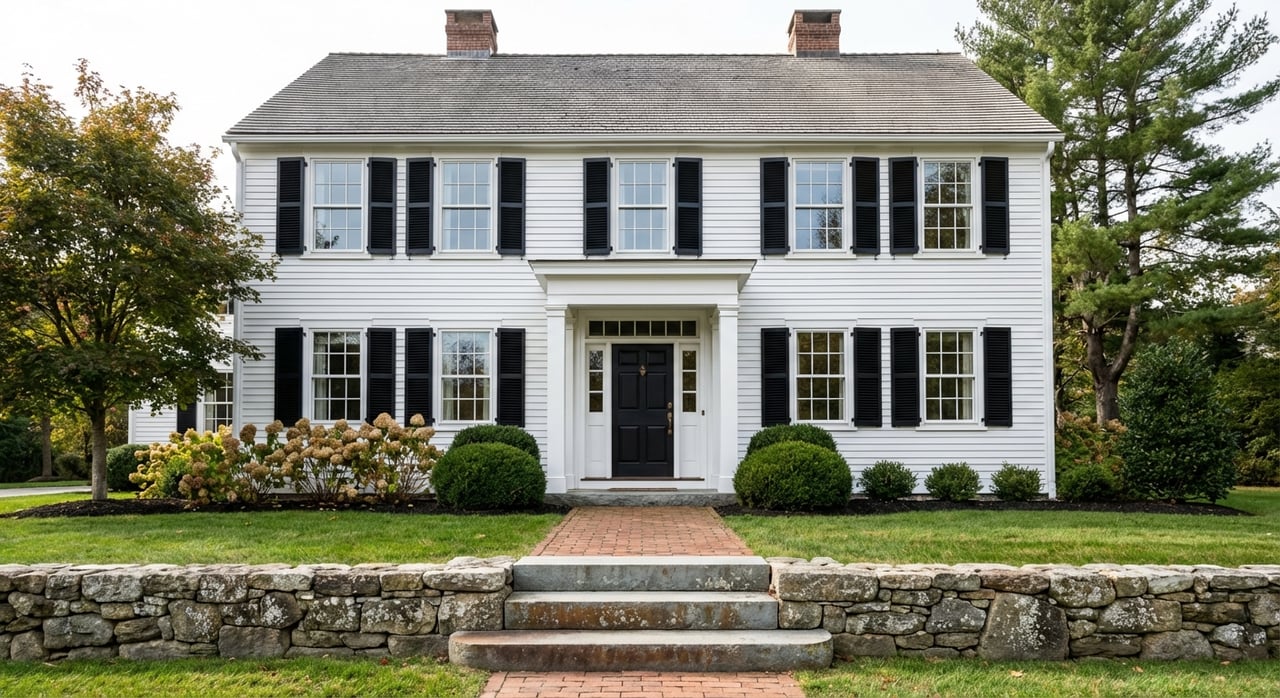
Concord’s neighborhoods reflect centuries of building: Colonial and Georgian-era forms; Federal and Greek Revival; 19th-century Victorian styles like Gothic Revival, Italianate, and Queen Anne; plus early 20th-century Craftsman homes. The town’s illustrated Historic Districts Design Guidelines highlight this mix and explain what features are considered character defining.
You will notice details that set these homes apart. Think paneled doors, plaster walls, historic mouldings, and wide-plank floors that many buyers love and appraisers note. Historic windows, porches, chimneys, and even stone walls often shape a home’s significance and are frequent focus areas during HDC review.
Layout quirks that charm and challenge
Antique homes often grew by addition, so footprints can be asymmetrical and circulation can feel tight. Rooms tend to be smaller and more compartmentalized, with varied ceiling heights and modest closets compared to modern builds. These quirks are part of the appeal and the puzzle, and they reward thoughtful planning. For a sense of how layers of time read in real life, consider Concord landmarks like Orchard House, where function followed decades of change.
Daily life in an antique home
Life in a Concord historic home feels grounded and seasonally tuned. You may enjoy morning light across heartwood floors, the calm of a front porch, or a hearth that anchors gatherings. You will also think a bit more about window care, storm panels, and seasonal maintenance as part of everyday stewardship. When you lean into the rhythm, the lifestyle is uniquely satisfying.
What to inspect before you buy
Buying a character home means checking a few extra boxes so you can plan costs and timing with confidence.
- Lead-based paint. Homes built before 1978 commonly contain lead paint. Renovations that disturb painted surfaces require certified lead-safe practices under federal RRP rules, and sellers must provide lead information to buyers. Review the EPA’s guidance on lead-safe renovation and disclosure, and consider a lead-risk inspection if children will be present.
- Electrical systems. Some older homes still have knob-and-tube wiring, two-prong outlets, or undersized panels that do not match modern loads. Insurers can restrict coverage until upgrades are complete, so commission a licensed electrical inspection and get quotes for rewiring. See practical notes on knob-and-tube considerations.
- Plumbing, heating, and oil tanks. You may find galvanized lines, older boilers, or oil tanks, including abandoned or underground units. Underground or unclosed tanks can trigger testing or removal, so request closure reports and check records as part of due diligence. Review this overview of underground oil tank issues during a home sale.
- Insulation, moisture, and HVAC. Many older walls are uninsulated. Start with air sealing and attic or basement work, where improvements bring big comfort gains with low impact on historic fabric. The National Park Service explains preservation-minded efficiency strategies in its guidance on sustainability and energy in historic buildings.
- Structure, roof, and masonry. Historic chimneys, stone walls, and roofs are common repair items. A thorough home inspection plus targeted specialty inspections can surface priorities before you finalize your budget.
Minimum checklist to order: general home inspection, licensed electrical review, chimney and masonry evaluation, lead testing for pre-1978 homes, septic inspection where applicable, and a Mass Save home energy assessment.
Smart upgrades that respect character
Upgrades in Concord work best when they follow time-tested preservation principles: repair before replacement, make changes reversible when possible, and keep new work visually quiet on public-facing sides.
- Start with the building envelope. Air sealing, attic insulation, and basement or crawlspace improvements often deliver the best comfort and energy savings with minimal effect on historic finishes. The NPS outlines a thoughtful sequence in its sustainability and energy guidance.
- Windows. Many historic wood windows can be repaired and weatherized to perform well. Techniques include epoxy repairs, reglazing, and adding storms that are compatible with the look of the house. For deeper background, see Preservation Brief 9 on repairing historic wooden windows; in Concord’s districts, visible window changes will be reviewed under the town’s Design Guidelines.
- Heating and cooling. Ductless or low-duct heat pumps offer efficient heating and cooling without major invasive work. Plan outdoor units and penetrations away from primary facades, and check rebates and 0% financing options through Mass Save’s heat pump programs.
- Solar and exterior equipment. Solar can be possible on historic homes if placement and visibility are thoughtfully addressed. Refer to Concord’s Design Guidelines and involve the HDC early.
- Document, then build. Photograph and note existing finishes before you start, and consult a preservation-minded architect or contractor for any irreversible work. Treat the HDC as a collaborator when exterior changes are visible from a public way.
Permits, incentives, and research help
If your home lies within a local historic district, any exterior change visible from a public way will require HDC review and a Certificate of Appropriateness before a building permit is issued. Start with the Historic Districts Commission to understand timelines and submittal needs.
For funding and planning, consider two paths. First, energy incentives and 0% HEAT loans through Mass Save’s heat pump programs can offset the cost of efficiency upgrades that are preservation friendly. Second, local Community Preservation Act grants may support certain documented historic-resource projects, subject to town schedules and eligibility. For research and provenance, use the resources outlined in the Historic Preservation in Concord overview to identify character-defining features before you plan changes.
Case study: from drafty to delightful
Imagine a mid-19th-century farmhouse with older windows and uneven comfort. You start with a Mass Save assessment, then air sealing, attic insulation, and targeted basement work. A window specialist repairs sashes and adds discreet interior storms, preserving wavy glass and mouldings. Mini-split heat pumps provide efficient heating and cooling, and an HDC-reviewed plan screens outdoor units from the public way. The result feels warm, quiet, and distinctly historic, with lower energy use and no loss of character.
Quick buyer checklist
- Ask the seller or listing agent for permit history and any oil tank or UST closure reports.
- Order a general home inspection, then add specialty inspections for electrical, chimney or masonry, and lead if the house predates 1978.
- If the home is in a local historic district, review the HDC Design Guidelines early and budget time for approvals.
- Schedule a Mass Save home energy assessment before planning heat pumps or insulation so you can sequence work and maximize rebates.
- Speak with a preservation-minded contractor about repairing historic windows before considering replacements, and document existing finishes before any work.
When to call in a guide
Buying or updating a Concord antique home is equal parts lifestyle choice and project management. You will juggle inspections, permits, energy planning, and preservation priorities. A local advisor who understands both the market and the building science can help you protect your time and your investment.
If you are considering a historic home in Concord or preparing to sell one, our boutique team pairs renovation-savvy guidance with Compass tools to help you plan, price, and present with confidence. For a discreet conversation about your goals, connect with Nancy Cole.
FAQs
What is a Concord historic district and why does it matter?
- In a local historic district, any exterior change visible from a public way usually requires a Certificate of Appropriateness from the town’s Historic Districts Commission before you can get a permit.
Can I add air conditioning to a historic house without major ductwork?
- Yes, ductless or low-duct heat pumps are often a good fit and may qualify for rebates and 0% financing through Mass Save’s heat pump programs.
Are window replacements allowed in Concord’s historic districts?
- They can be, but repair and weatherization of existing wood windows is often preferred, and visible changes are reviewed under the town’s Design Guidelines.
What inspections are most important for an antique home purchase?
- In addition to a general inspection, schedule checks for electrical (including knob-and-tube), chimney or masonry, lead testing for pre-1978 homes, septic where applicable, and a home energy assessment guided by NPS efficiency best practices.
Where do I start researching my home’s history and significance?
- Use the town’s overview of Historic Preservation in Concord to tap local archives, the museum, and commission resources that help identify character-defining features before you renovate.