
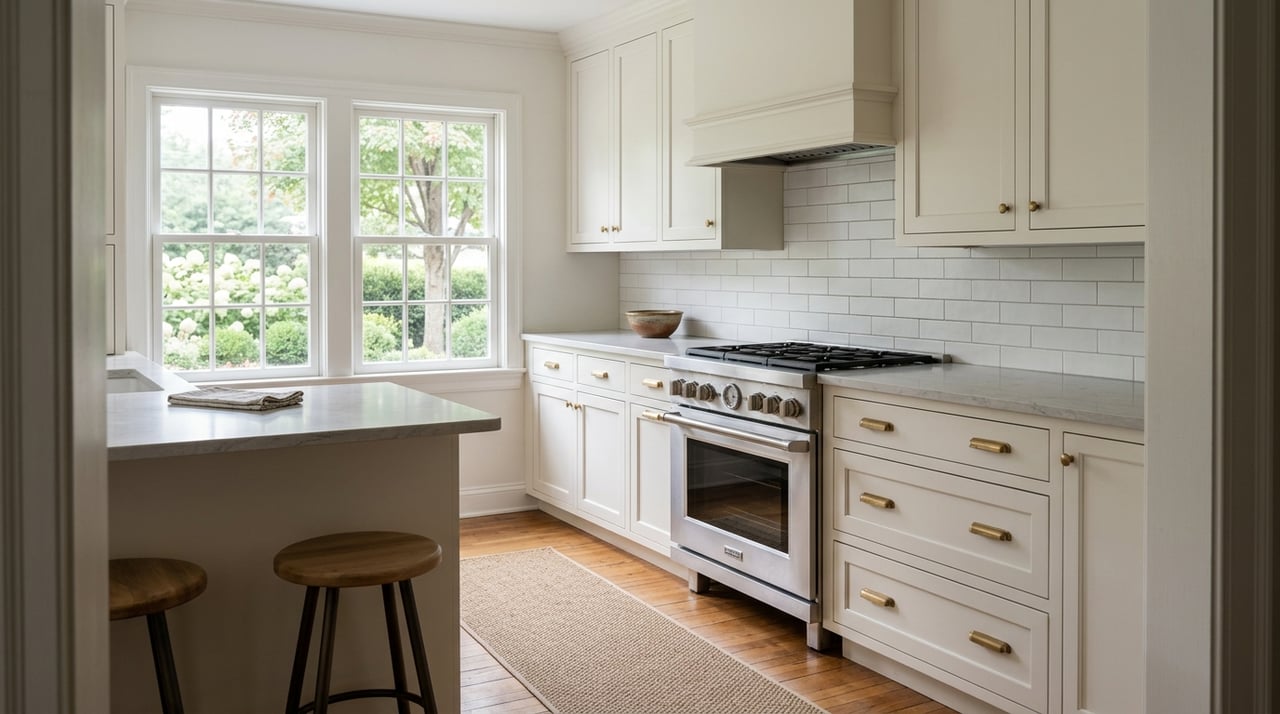
Wondering whether you should renovate your Concord home before listing it, or simply sell it as is? It is a smart question, especially in a market where buyers are comparing your home to other high-value options and where even small decisions can affect your bottom line. The good news is that you do not need to guess. With the right framework, you can weigh cost, timing, local rules, and likely resale impact with more confidence. Let’s dive in.
Concord Market Context
Concord is a premium housing market, and that shapes how buyers respond to condition and presentation. Census data shows a 75.7% owner-occupied housing rate, a median owner-occupied home value of $1.21 million, and a median household income of $195,350. In practical terms, many buyers are shopping with high expectations and are likely comparing your home against other polished local listings.
Recent market data also suggest that Concord remains competitive for sellers, though results still depend on pricing and condition. Redfin reported a median sale price of $1,693,986 in May 2026, up 10.5% year over year, with a median 19 days on market. Realtor.com reported homes selling at 100% of list price on average in May 2026, with a median 36 days on market and about 61 homes for sale.
That combination matters. It means you may not need a full-scale renovation to attract serious interest, but presentation, maintenance, and pricing discipline still matter if you want to maximize net proceeds.
Renovate vs Sell As Is
The real question is not whether renovation is good or bad. The better question is whether the work will improve your net outcome after you factor in cost, time, taxes, and risk.
A renovation can make sense when the home is fundamentally sound and the work is targeted. Cosmetic updates, deferred maintenance, and first-impression improvements can help your home compete more effectively without creating a long, expensive project.
Selling as is can make sense when major systems are uncertain, project scope is hard to define, or you simply do not want the delay and stress of managing contractors. In a market like Concord, some buyers may still be interested in a home they can personalize, especially if the pricing reflects the condition honestly.
When Renovating Often Makes Sense
Targeted improvements are usually the strongest option when they are likely to produce a clear resale benefit. In Concord, that often means selective work rather than a gut renovation.
You may want to lean toward renovating if:
- The home is structurally sound
- Most needed work is cosmetic or limited in scope
- You have the cash flow to complete the project comfortably
- You have enough time to prepare the home without disrupting your move
- The likely resale lift appears greater than the project cost and carrying costs
This approach often works best when updates improve how the home shows right away. Fresh paint, lighting, cleaning, landscaping, and other low-disruption improvements can sharpen first impressions without putting you into a months-long construction timeline.
For many Concord sellers, that middle path is the sweet spot. You improve presentation, reduce obvious objections, and keep the process more controlled.
When Selling As Is May Be Smarter
Selling as is is not a last resort. In some situations, it is the more disciplined decision.
You may want to lean toward selling as is if:
- Major systems may need repair or replacement
- The true project scope is unclear
- You want to avoid contractor management and delays
- The home may appeal to buyers who want to customize it themselves
- Exterior work could trigger added review, permits, or scheduling issues
This can be especially relevant in Concord if the home is located in one of the town’s historic districts. Exterior changes visible from a public street, way, or place can require Historic Districts Commission review, including some changes to color, materials, design, signs, and certain landscaping features. Ordinary maintenance and repair are exempt, but if approval is required, the building permit process cannot move forward until the proper certificate is in place.
In other words, a project that looks simple at first can become slower and more complex depending on the property. That is one reason many sellers do better with a realistic as-is pricing strategy than with an open-ended renovation plan.
Why Net Proceeds Matter Most
A renovation does not automatically pay for itself. In Concord, the better standard is whether the work improves your net proceeds, not whether it simply raises your asking price.
Concord’s FY2026 residential tax rate is $13.05 per $1,000 of assessed value. That means an extra $100,000 in assessed value would imply about $1,305 more in annual property tax before exemptions or other adjustments. While property tax alone should not drive your decision, it is a useful reminder that a higher value is only helpful if the resale lift meaningfully outweighs the full cost of getting there.
Your real math should include:
- Project cost
- Carrying costs during the work
- Timing and delay risk
- Possible permit or review issues
- Expected resale lift
- The effect on likely buyer demand
That is why selective preparation often beats over-improving. The goal is not to create the most expensive version of your home. The goal is to position it well enough to maximize what you actually keep.
Massachusetts Rules Sellers Should Know
If you are considering an as-is sale, it is important to understand what that term does and does not mean in Massachusetts. Selling as is does not remove a buyer’s right to inspect the property.
State law requires a separate written disclosure affirming the buyer’s right to a home inspection before or at the first purchase contract. The buyer may use a licensed home inspector of their choice, and sellers generally cannot condition acceptance on waiving or limiting that inspection right except in limited circumstances.
Massachusetts also does not treat as-is status as permission to hide known issues. State guidance says most owner-occupant sellers are not under a broad affirmative disclosure requirement, except for lead paint, but seller’s agents must disclose known material defects. For homes built before 1978, sellers and agents must also follow lead-paint notification rules.
The practical takeaway is simple. If you sell as is, your strategy should be transparency plus pricing, not silence.
A Practical Middle Path
For many Concord homeowners, the best answer is neither full renovation nor pure as-is. It is a focused preparation plan.
That usually means fixing safety and deferred-maintenance items first, then improving the details buyers notice right away. Small, visible updates can make a home feel more cared for and more move-in ready without pulling you into a major project.
A smart middle-path checklist may include:
- Addressing safety concerns
- Repairing obvious deferred maintenance
- Painting in key areas
- Updating dated light fixtures
- Deep cleaning the home
- Improving curb appeal and landscaping
- Reducing visual clutter for showings
This approach tends to fit Concord’s market well. Buyers often respond strongly to homes that feel well maintained and thoughtfully prepared, even when the seller has not renovated every room.
How to Vet the Work Before You Start
If you are thinking about any meaningful prep work, choose your contractors carefully. In Massachusetts, residential contractors working on existing owner-occupied one- to four-unit homes must be registered as Home Improvement Contractors, and jobs estimated at $1,000 or more must be covered by a written contract.
Homeowners are also advised to check registration status and verify insurance before hiring. This is a simple step, but it can help reduce risk and keep your project on firmer footing.
Before you commit to any scope of work, it helps to speak with:
- A licensed contractor for scope and cost
- A real estate professional for pricing and buyer expectations
- A tax or financial professional when the numbers are close and you want to compare after-tax net proceeds
How to Make the Decision
If you feel stuck, use a short decision filter. You do not need a perfect answer. You just need the option that best supports your timing, stress tolerance, and financial goals.
Ask yourself:
- Is the home fundamentally sound?
- Are the needed improvements mostly cosmetic?
- Do I have the cash and time to manage the work?
- Could exterior changes trigger extra Concord review?
- Is the likely resale lift clearly larger than cost and delay?
- Would a simpler prep plan get me most of the benefit with less risk?
If most of your answers support speed, simplicity, and reduced uncertainty, selling as is or with light preparation may be the better path. If the home only needs selective updates and the numbers are compelling, a pre-listing improvement plan may be worth it.
In Concord, the strongest strategy is often the most disciplined one. Rather than assuming more work means more money, focus on the improvements that support buyer confidence and protect your net proceeds.
If you want help weighing your options, Nancy Cole offers confidential, data-driven guidance on pricing, preparation, and the smartest path to market for your specific property.
FAQs
Can you sell a home as is in Concord, Massachusetts?
- Yes. You can sell a home as is in Concord, but Massachusetts still requires the written home-inspection disclosure, preserves the buyer’s right to inspect, and requires lead-paint compliance for pre-1978 homes.
Does renovating always increase your profit in Concord?
- No. A renovation only makes sense if the expected resale lift is greater than the project cost, carrying costs, timing risk, and any added permit or review friction.
Do Concord historic district rules affect exterior updates?
- Yes. If a home is in one of Concord’s historic districts, some exterior changes visible from a public street, way, or place may require Historic Districts Commission review before related permit approval.
What updates usually make the most sense before selling a Concord home?
- For many sellers, the best pre-listing work is selective: safety repairs, deferred maintenance, paint, lighting, deep cleaning, landscaping, and other high-visibility cosmetic improvements.
Who should you consult before deciding whether to renovate or sell as is in Concord?
- A licensed contractor can help define scope and cost, a real estate professional can help assess pricing and buyer expectations, and a tax or financial professional can help when net-proceeds math is close.