
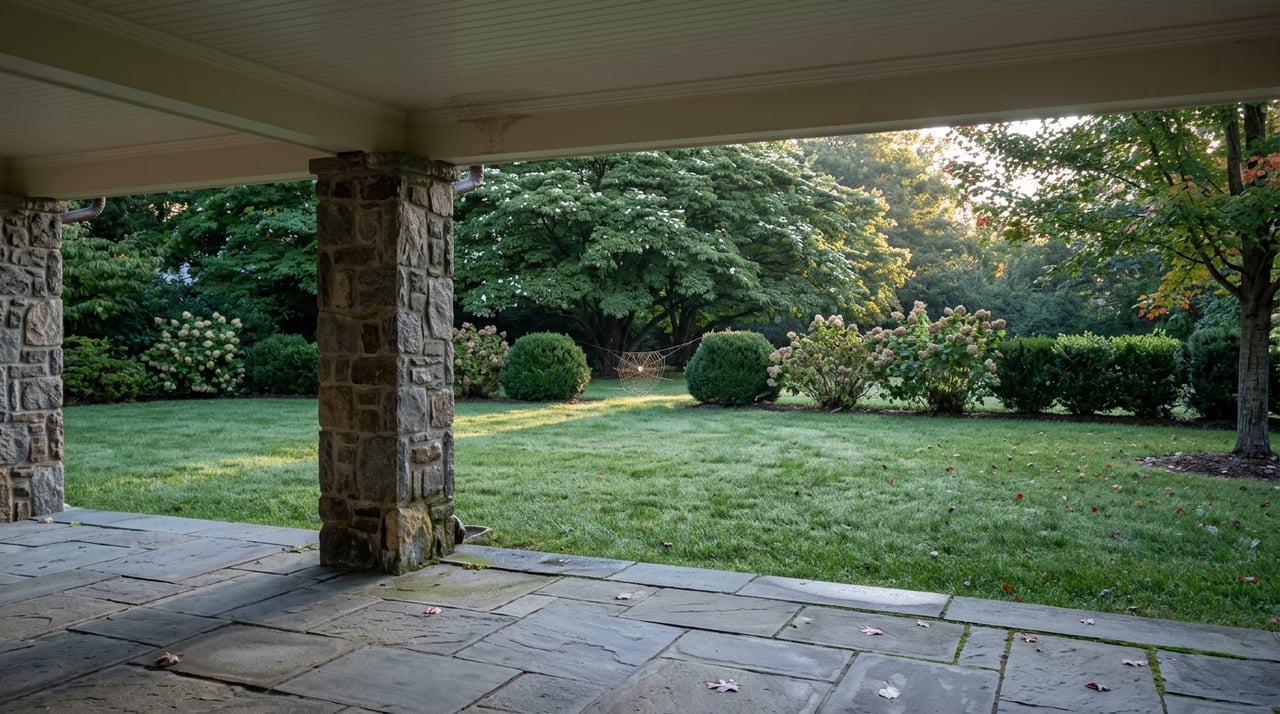
Walk the Dike Trail in Great Meadows National Wildlife Refuge on a September morning and you will notice something odd before you notice any birds: there is a lot less water than you remember from July. That is not drought. It is not neglect. It is the U.S. Fish and Wildlife Service doing exactly what it planned to do months ago, and it is the reason the next six weeks are the best stretch of the year to walk this refuge, not the muggy lotus-bloom weeks everyone assumes are peak season.
Most people who live near Concord think of Great Meadows as a summer destination. That is when the American lotus turns the impoundments into sheets of yellow flowers, when the parking lot on Monsen Road fills up on weekends, and when the postcard version of the refuge gets passed around. But the lotus is also the problem. By late summer the plant can cover so much of the open water that there is little visible surface left for waterfowl to use, and long stretches of the trail lose their view entirely behind a wall of cattails and reeds. The refuge you photograph in July is not the refuge birds actually need in September.
Why the mud is the point
One of the two Concord Unit impoundments is deliberately drawn down starting in late June and early July. According to a water quality assessment filed with the state, the drawdown exists to expose mudflats and shallow water that give migrating shorebirds and wading birds a place to feed and rest, and to encourage the growth of moist-soil plants that waterfowl depend on later in the season. The same drawdown happens to knock back the water chestnut and lotus that would otherwise take over. The pond stays low through the heart of fall migration and is not refilled until around the end of October.
That timeline matters if you live nearby and have only ever visited in summer. The mudflats that make this refuge one of the better inland shorebirding spots in the state are not a year-round feature. They are a roughly four-month window that opens in early summer, peaks through September, and closes when the Fish and Wildlife Service lets the water back in at the end of October. Right now, in mid-September, the refuge is at the point in that cycle where the exposed mud is doing the most work and the birds using it are the most varied.
What the drawdown actually brings in
The species list at Great Meadows during this window is longer and stranger than most people expect from a spot roughly twenty miles west of Boston. A Bird Observer account documents Least, Solitary, and Pectoral sandpipers working the mudflats, along with Lesser and Greater yellowlegs, Semipalmated Plovers, and the occasional Short-billed Dowitcher or Stilt Sandpiper. Great Egrets show up in numbers approaching a dozen at a time, with Snowy Egrets and an occasional Glossy Ibis mixed in. October specifically brings Nelson's Sparrows, a bird most casual walkers have never heard of and would not recognize even if it hopped across the trail in front of them.
None of this is visible from a car window. It requires walking the dike itself, which cuts directly between the two impoundments and gives you sightlines into the mud on both sides. An observation platform built over the lower pool exists for exactly this purpose. During peak shorebird movement, the platform is often the only vantage point with a clear line into the more distant patches of exposed mud, and at least one local birder is known to have logged an entire big day of sightings without leaving that single spot.
The four trails, and what each one is actually for
The Concord Unit is small, about 2.7 miles of trail total, but the trails are not interchangeable. Treat them as four different tools:
- Dike Trail. The main event for fall. It runs directly between the two impoundments and delivers the mudflat and shorebird show described above. This is where the observation tower sits, giving a wide view over both pools and toward the Concord River.
- Timber Trail. A short loop through mixed woods where the birding is about songbirds rather than waterfowl. Wood Thrushes and Eastern Wood-Pewees are regulars here in season, and the narrow band of trees between the bathroom and the parking lot is a reliable spot for Brown Creepers and nesting woodpeckers.
- Edge Trail. Runs along the boundary between open wetland and forest, which makes it a transition zone. Expect a mix of the sparrows and blackbirds that favor thick cover at the margins of the marsh.
- Black Duck Creek Trail. The least crowded of the four, following the creek that feeds into the larger system. It rewards patience more than any of the others.
If you only have time for one, the Dike Trail is the one worth the trip right now, precisely because its payoff is seasonal and closing soon.
The logistics that catch people off guard
The refuge is open from dawn to dusk, and the entrance gate closes automatically about half an hour after sunset, which matters more in October as daylight shortens fast. There is a posted entrance fee, paid at a self-serve kiosk. Dogs and bicycles are not allowed on the trails themselves, something first-time visitors frequently miss until they are turned back at the gate, though dog walking is permitted along the adjacent rail trail. Parking is limited and fills quickly on clear weekend mornings, so an early start is not just good birding practice, it is often the only way to get a spot.
It is worth knowing, too, that this land carries a heavier history than the postcard suggests. The watershed upstream became a Superfund site in 1983 after a chemical company discharged effluent into it for decades, a fact that surprises most people walking the boardwalks today because the marsh looks and functions like an intact, healthy wetland.
Where locals extend the morning
Residents who treat this as a standing fall routine rarely stop at the refuge gate. Serious local birders string Great Meadows together with a short list of nearby spots on the same outing: Kaveski Farm on Shadyside Lane, the Massport Trail at Gate 13C off Route 62 near the Concord and Bedford line, and the agricultural fields at Nine Acre Corner. None of these require the entrance fee, and together they round out a morning that starts on the dike and ends in open farmland, covering habitat the refuge itself does not offer.
Why the window is worth noticing now
The refuge you will walk in six weeks is not the refuge you are walking today. Once the impoundment refills at the end of October, the mudflats disappear under water again and the shorebird traffic that depends on them moves on. What is happening at Great Meadows right now, in the second half of September, is not a preview of the good part of the season. It is the good part of the season, timed by a water management decision most visitors never think to ask about.
That is the kind of detail that only shows up if you pay attention to a place across an entire year rather than dropping in once in July for the flowers. It is also, in a smaller way, the same habit of mind that goes into understanding a neighborhood well enough to advise someone on it: knowing not just what a place looks like on a good day, but what changes underneath it and when.
If you are weighing a move in or around Concord and want that same kind of attention applied to a home or a market decision, the Nancy Cole Team is happy to talk it through. Request a confidential market consultation whenever the timing is right for you.